Introduction
Psychological facts about human behavior explain why we think, feel, and act in certain ways. Every day, we make decisions, form opinions, and interact with others. However, most of these actions happen automatically, without deep awareness.
In reality, human behavior follows clear patterns. These patterns come from how the brain processes information and reacts to the environment. When you understand these patterns, you can improve your decisions, relationships, and confidence.
In this guide, you will discover 15 psychological facts about human behavior backed by science. These insights are simple, practical, and easy to apply in everyday life.
Key Psychological Facts About Human Behavior
1. Mere Exposure Effect: We Like What We See Often
People tend to like things simply because they are familiar. This is known as the mere exposure effect.
Your brain prefers safety. Familiar things feel safe, while new things feel uncertain. As a result, repeated exposure builds comfort over time.
For example, a song you disliked at first may slowly become your favorite.
External source: https://en.wikipedia.org/wiki/Mere-exposure_effect
2. Halo Effect: One Trait Shapes Everything
The halo effect happens when one positive trait influences your overall judgment of a person.
For instance, if someone looks confident, you may assume they are intelligent and capable. However, this assumption is not always accurate.
This mental shortcut saves time, but it can lead to biased decisions.
3. People Mirror Those They Like
Humans naturally copy the behavior of people they like. This is called the chameleon effect.
You may copy someone’s posture, tone, or gestures without noticing it. As a result, this creates a sense of connection.
Because of this, mirroring is often used to build rapport in communication.
4. Zeigarnik Effect: Unfinished Tasks Stay in Your Mind
Unfinished tasks are easier to remember than completed ones.
Your brain wants closure. Therefore, incomplete tasks create mental tension.
Even starting a task can reduce stress, because it signals progress.
5. Spotlight Effect: People Notice Less Than You Think
Many people believe others are watching and judging them. In reality, most people are focused on themselves.
As a result, your small mistakes often go unnoticed.
Understanding this can help reduce anxiety and increase confidence.
6. Recency Effect: We Remember the Last Thing Best
People tend to remember the most recent information.
Because of this, endings matter more than you think. A strong conclusion leaves a lasting impression.
This is useful in conversations, presentations, and interviews.
7. Emotion Drives Decisions First
Most people believe they make decisions logically. However, emotions play the main role.
Your brain reacts emotionally before thinking logically. Then, logic is used to justify the choice.
Therefore, emotional connection is very powerful in decision-making.
8. Illusion of Control: We Think We Control More Than We Do
People often believe they can control random outcomes.
For example, gamblers may think their actions affect results. In reality, many outcomes are based on chance.
Understanding this helps you make smarter decisions.
9. We Judge Ourselves and Others Differently
People judge themselves based on intentions, but judge others based on actions.
For example, you may blame traffic for being late. However, you may judge others as irresponsible.
This difference often leads to misunderstandings.
10. Planning Fallacy: We Underestimate Time
People often believe tasks will take less time than they actually do.
However, unexpected delays are common. As a result, projects often take longer than planned.
To improve accuracy, always add extra time.
11. Too Many Choices Cause Stress
More options do not always lead to better decisions. In fact, too many choices can feel overwhelming.
This is called the paradox of choice. Fewer options often lead to greater satisfaction.
12. Sunk Cost Fallacy: We Don’t Want to Quit
People continue something because they already invested time or money.
However, past investment should not control future decisions.
Sometimes, quitting is the smartest choice.
13. Confirmation Bias: We Believe What We Want
People prefer information that supports their beliefs.
At the same time, they ignore information that challenges them.
This can limit thinking and lead to poor decisions.
External source: https://en.wikipedia.org/wiki/Confirmation_bias
14. Bystander Effect: People Avoid Responsibility
When many people are present, individuals are less likely to act.
Each person assumes someone else will help.
To overcome this, ask one specific person directly.
15. Self-Serving Bias: We Protect Our Ego
People credit success to themselves, but blame failure on external factors.
This helps protect self-esteem. However, it also prevents learning from mistakes.
Taking responsibility leads to growth.
Why Psychological Facts About Human Behavior Matter
These psychological facts about human behavior are not just interesting. They are useful tools for daily life.
They can help you make better decisions, improve relationships, and reduce stress. In addition, they allow you to understand others more clearly.
When you understand how behavior works, you gain more control over your actions.
Final Thoughts
Psychological facts about human behavior show how powerful the human mind is. Many of our actions happen automatically. However, awareness gives you control.
By understanding these patterns, you can improve your thinking and make better choices.
If you apply these ideas consistently, you will see real changes in your life.
Internal Links
/self-improvement-habits
/how-to-build-confidence
External Links
https://en.wikipedia.org/wiki/Mere-exposure_effect
https://en.wikipedia.org/wiki/Confirmation_bias
https://www.apa.org
https://www.psychologytoday.com
Image ALT
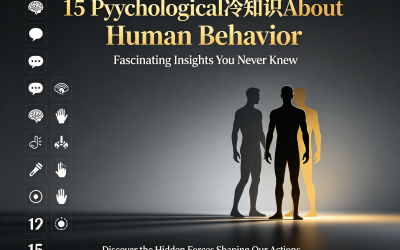
psychological facts about human behavior brain illustration
human behavior psychology infographic